Samlesbury Hall: the timber-framed manor in the Ribble valley
The best surviving medieval domestic building within reach of Preston, and the one most likely to be someone's wedding when you arrive.
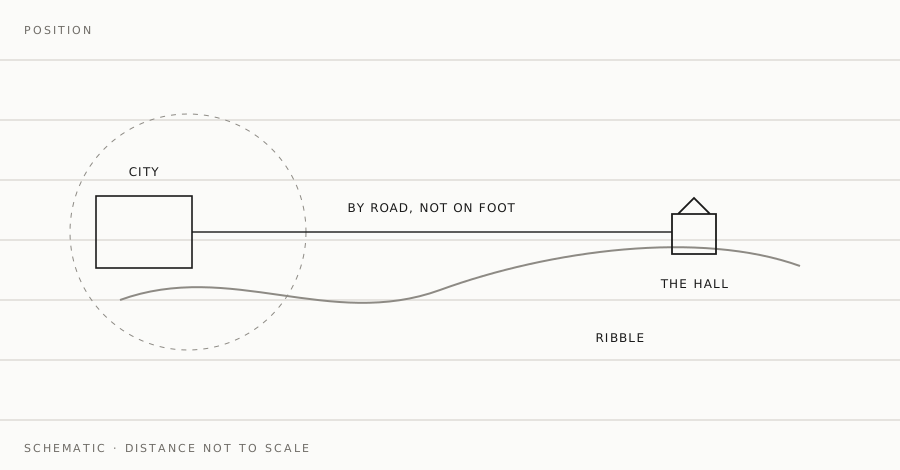
Samlesbury Hall stands in the Ribble valley east of Preston, between the city and Blackburn. It is a 14th century manor house, timber framed with later additions, and it is the most substantial medieval domestic building within easy reach of the city.
It is a working venue as well as a historic house, which shapes what a visit is like: functions, weddings and events use the building regularly, and public access sits around them. That is the normal economics of a house of this kind and it is why the building is in the condition it is.
The building
The core is medieval timber framing, with the black and white external appearance that Lancashire and Cheshire share and that later restoration usually accentuated. The great hall is the surviving centre of it, and the chapel is the other principal medieval element.
Around that core the house has been extended, reduced and rearranged across several centuries, which is normal for a manor of this age. What a visitor sees is a composite building as opposed to a single period piece, and reading which part is which is most of the interest.
The Southworths, and the recusant history
The hall's long association is with the Southworth family, and the significant part of that history is religious. Lancashire was the most persistently Catholic county in England after the Reformation, and the gentry houses of the Ribble valley were at the centre of that persistence.
Samlesbury's chapel and the family's recusancy are therefore not incidental detail. They are why the house matters historically: it is a physical survival of the Catholic gentry network that made this part of Lancashire distinctive for two centuries.
The Samlesbury witches
The area is also associated with the Samlesbury witch trials, tried at Lancaster in the same period as the better known Pendle case. The trials belong to the district rather than to the house specifically, and the connection is often overstated in popular retellings.
It is worth mentioning precisely because it is overstated: visitors arrive expecting a witch trial site and find a manor house with a recusant chapel, which is the more interesting thing but not the thing they were told about.
Getting there from Preston
Samlesbury is a short drive east of Preston along the Ribble valley, and it is not realistically walkable from the city. There is no useful rail connection; travel covers the road and bus picture.
The natural pairing is with Hoghton Tower, the other fortified house east of the city, and the two together make a full heritage day that the city centre cannot provide on its own.
A venue's access pattern moves with its bookings
A house that operates as a venue has an access pattern that changes week by week around its bookings, and it is the single most important thing to check directly before travelling.
This sheet exists to say what the building is and why it is worth the drive. For everything operational, the hall's own channels are the only reliable source.
Where it sits in Preston's heritage
Preston's own heritage is industrial and Victorian, with almost nothing domestic surviving from before the eighteenth century. The heritage and sights index reflects that: a museum, an arcade, a market canopy, a dock and a bus station.
Samlesbury supplies what the city cannot. If you want to understand the landscape Preston grew out of, not the town it became, the Ribble valley houses are where to look.
The valley it stands in
The Ribble valley east of Preston is the reason the house is where it is. The river was the route inland, the valley floor was the farmland, and the gentry houses sit on the shoulder above it where the ground is dry and the view is long. Samlesbury, Hoghton and Ribchester are all on that line.
Driving out from Preston the change is abrupt: within ten minutes the city stops and the valley starts, and the landscape from there to Clitheroe is agricultural and wooded as opposed to suburban. That contrast is one of the better arguments for basing a trip in Preston.
Questions about Samlesbury Hall
How old is Samlesbury Hall?
The core is 14th century, timber framed, with additions and alterations across several later centuries. It is the most substantial medieval domestic building within easy reach of Preston.
Where is Samlesbury Hall?
In the Ribble valley east of Preston, between the city and Blackburn. It is a short drive and not realistically walkable from the city.
What is the history of Samlesbury Hall?
Its long association is with the Southworth family, and the significant part of that is religious: Lancashire remained persistently Catholic after the Reformation, and the Ribble valley gentry houses were central to that. The chapel and the family's recusancy are why the house matters historically.
Is Samlesbury Hall connected to the Pendle witches?
The area is associated with the Samlesbury witch trials, tried at Lancaster in the same period as the Pendle case, but the connection belongs to the district, not to the house and is often overstated.