Turbary Woods: the owl and bird of prey sanctuary south of Preston
A rescue and rehabilitation site, and no collection, and that distinction is the point of it.
Turbary Woods is an owl and bird of prey sanctuary south of Preston, towards the Chorley side of the district. It takes in injured, unwanted and captive-bred owls and raptors, rehabilitates what can be rehabilitated, and keeps permanently the birds that cannot be released.
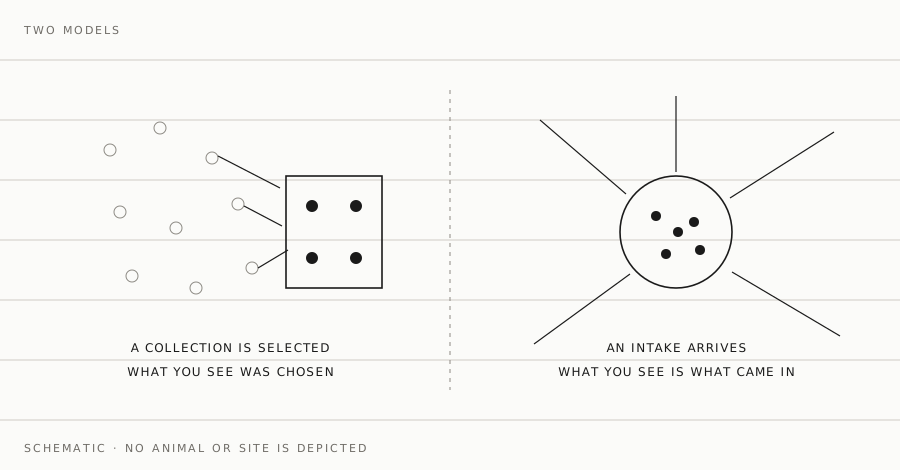
The word sanctuary is doing real work there and it is worth reading carefully. A sanctuary is not a zoo and not a falconry centre: the birds are present because of their circumstances, and never because a collection was assembled, so what you see reflects what has come in, not what anyone chose to acquire.
Why so many raptors need rescuing
Two reasons, and both are human. Wild birds of prey are injured by roads, wires, windows and secondary poisoning from rodenticides, and a proportion of those can be treated and returned to the wild. And captive breeding of owls and hawks produces birds whose owners cannot keep them, which is a steadier supply than most people expect: an owl is a long-lived, demanding, messy animal and a great many are bought by people who have not understood that.
A sanctuary therefore holds two populations with quite different futures — the ones passing through and the ones staying — and that makes it a more interesting thing to visit than a collection, because the answer to why is this bird here is different at every enclosure.
What visiting is like
Small, informal and animal-led, with nothing designed as an attraction. Sites of this kind run on volunteer labour and donations, the facilities are modest, and the interpretation is usually a person telling you about the bird in front of you, and seldom a printed panel. That is precisely the appeal for some visitors and a disappointment for others, and it is worth knowing which you are before you go.
It is also worth knowing that a rescue site's priority is the birds, not the visitors. Access arrangements follow from that, and they are not negotiable in the way a commercial attraction's would be.
Where it sits, and getting there
Turbary Woods is south of Preston and, like the district's other outdoor attractions, it assumes a car. Combined with the docks and the western river path it makes a reasonable southern half-day; on its own it is a short visit, and no kind of day out.
For free outdoor alternatives inside the city, the river corridor nature reserves and the Guild Wheel are the answer, and the parks and outdoors index sets out the whole range of what is reachable on foot.
A volunteer rota decides the opening pattern
No opening days, admission arrangements, flying display times or donation levels. A volunteer-run rescue site's opening pattern depends on staffing and on the animals in its care, it changes at short notice, and it is the single thing to confirm before travelling.
What is stable is what the sanctuary is for, why the birds are there and what kind of visit it is.
Why rescue sites matter more than they look
A sanctuary of this kind does work that nothing else in the system does. Wildlife hospitals treat and release; zoos hold and breed; a rescue sanctuary absorbs the animals that fall between — the ones too damaged to release and too numerous to place. Without that layer the choice for an unreleasable bird is a very short one, and the sites providing it are almost all small, local and volunteer-run.
That is the honest reason to visit, and not the animal-encounter one. The entrance donation is the funding model, and a visit is closer to supporting a small charity than to buying a ticket to an attraction.
Seeing raptors in the wild around Preston
For anyone whose interest is the birds themselves, the Ribble corridor and the Bowland fells both carry wild raptors, and the reserves along the river are the accessible place to look. Boilton Wood and the eastern river woodland are the closest, and the Guild Wheel's eastern section runs past both.
Buzzards are common over the valley and kestrels along the open ground; owls are heard more often than seen. None of that requires anything except being outside at the right time of day, which the parks and outdoors index covers.
Questions about Turbary Woods
What is Turbary Woods?
An owl and bird of prey sanctuary south of Preston. It takes in injured, unwanted and captive-bred owls and raptors, rehabilitates what it can and permanently keeps the birds that cannot be released.
Is Turbary Woods a zoo?
No. A sanctuary's birds are present because of their circumstances, and never because a collection was assembled, so what you see reflects what has come in.
Why do so many owls need rescuing?
Wild raptors are injured by roads, wires, windows and secondary poisoning. And captive breeding produces birds whose owners cannot keep them — an owl is long-lived and demanding, and many are bought without that being understood.